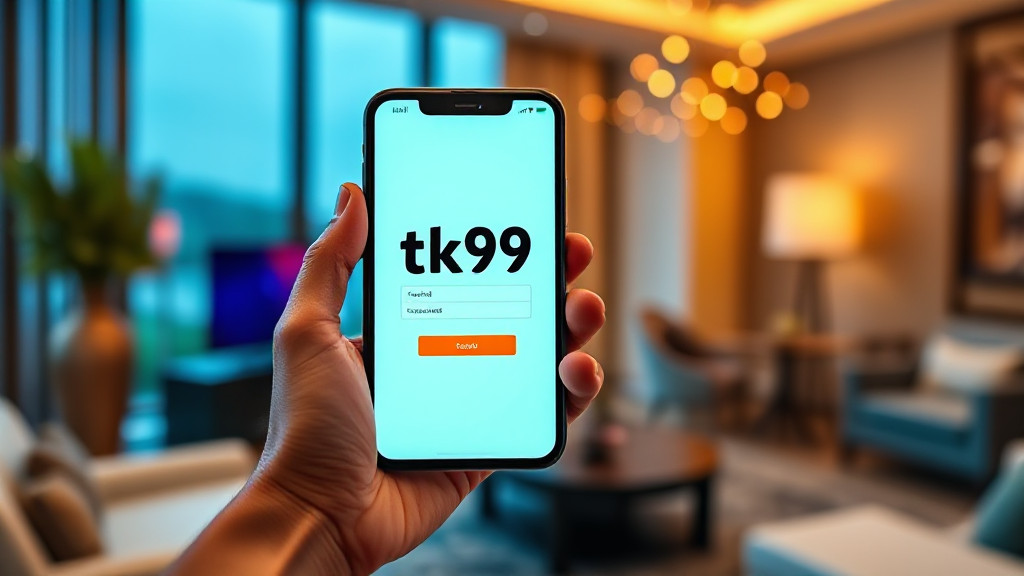
tk999 Setup on Android, with iOS and Desktop Notes
tk999 Setup on Android, with iOS and Desktop Notes
Most people I know in Bangladesh reach for an Android phone first when they want to sign up for anything online, and that is exactly why this guide leads with Android. If you have been searching for a clear way to get started with tk999, the walkthrough below covers the main Android path in detail, then adds short notes for iPhone and desktop users so nobody is left guessing. The idea is simple: one solid main route, plus quick side notes for the devices you might switch to later.
Before diving in, keep one thing in mind. The steps here assume you are working with the official platform, so always double-check that you are on the correct site or app before entering any personal details. A few extra seconds of care at the start saves a lot of trouble later.
Why Android Is the Main Path for Bangladeshi Users
Android dominates the local phone market for good reason. Devices are widely available at many price points, and mobile data plans make staying connected affordable. That combination means most users who want to register, log in, or manage an account will do it from an Android handset. Because of this, the platform’s Android flow tends to be the most polished and the most familiar to new users.
There is also a practical angle. Android gives you more flexibility when it comes to installing apps from a downloaded file rather than a store listing. That matters in regions where certain app categories are restricted on official stores. If you have ever tried to install something and found it missing from the Play Store, you already understand why the direct download route is useful.
One more reason Android leads: storage and battery management are easier to control on many Android phones. You can clear cache, move files, and check permissions without much fuss. When you are dealing with an app that handles account information, that level of control is genuinely helpful.
Step-by-Step Android Setup
Here is the main path, written as if you are holding your phone right now.
Step 1: Prepare your device. Make sure you have enough free storage, at least a few hundred megabytes, and a stable internet connection. Wi-Fi is ideal for the initial download, but mobile data works fine if the signal is strong. Also confirm that your phone allows installation from unknown sources if you plan to use a downloaded file. You will find this under Settings, then Security, then Install unknown apps or a similarly named option depending on your phone brand.
Step 2: Get the app or open the site. You can either download the app or use the mobile browser version. The app usually gives a smoother experience with faster loading and fewer interruptions. If you choose the app, download it from the official source and wait for the file to finish. If you choose the browser, simply open the site and make sure you are on a secure connection.
Step 3: Create your account. Tap the registration option and fill in the required fields. Typically this includes a phone number, a password, and sometimes a referral code if you have one. Use a password you do not reuse elsewhere. A mix of letters, numbers, and a symbol is a good habit even if the form does not demand it.
Step 4: Verify your details. You will likely receive a code by SMS or see an on-screen prompt. Enter it carefully. If the code does not arrive within a minute or two, check that your phone number was typed correctly and that your SMS inbox is not full. Requesting a new code too many times in a row can sometimes cause a short delay, so give it a moment.
Step 5: Log in and explore. Once your account is active, log in and take a few minutes to look around before doing anything else. Check the menu, find the account settings, and see where the help or support section is located. Knowing your way around early makes everything easier later.
Step 6: Adjust basic settings. Turn on notifications only if you find them useful. Many users prefer to keep them off to avoid distractions. Also check whether the app has a data-saving mode, which can help if you are on a limited plan.
That is the core Android setup. It usually takes less than ten minutes from start to finish if your connection is good and your details are ready.
Quick Notes for iOS and Desktop Users
Not everyone stays on Android forever, and some people prefer a bigger screen. Here are the short versions for the other two common setups.
iOS notes. On an iPhone, the process is similar but the installation step differs. Because Apple restricts app distribution more tightly, you may need to use the mobile browser version instead of a direct download. The registration steps are the same: open the site, tap register, enter your details, verify, and log in. Safari handles the site well, and you can add a shortcut to your home screen for quicker access. If you do install an app through a profile or enterprise method, only do so if you fully trust the source. Otherwise, the browser route is the safer and simpler choice on iOS.
Desktop notes. On a laptop or desktop computer, you have the largest screen and the easiest typing experience. Open your usual browser, go to the official site, and register from there. The form fields are the same, but you may find it easier to copy and paste your password from a manager. One advantage of desktop is that you can keep the site open in one tab while checking your SMS or email in another. Just remember to log out when you are finished, especially on a shared or public computer.
Across all three devices, the account itself is the same. You are not creating separate accounts for Android, iOS, and desktop. You are simply accessing the same account from different screens. That is worth remembering if you ever feel confused about which device you registered on.
Common Setup Problems and How to Fix Them
Even a straightforward setup can hit a snag. Here are the issues people run into most often and what usually solves them.
The download will not start. This is almost always a storage or permission issue. Free up some space, then check that your browser or file manager has permission to save files. On Android, also confirm that unknown sources are allowed if you are installing outside the Play Store.
The verification code never arrives. Check your number for typos, make sure your inbox is not full, and wait a full two minutes before requesting another code. If you are on a dual-SIM phone, confirm that the correct SIM is active for SMS.
The page loads slowly. Switch between Wi-Fi and mobile data to see which is faster. Clearing your browser cache can also help. If you are using the app, close other background apps to free up memory.
You forgot your password. Use the password reset option on the login screen. You will usually need access to your registered phone number or email. After resetting, choose a new password you have not used before.
The app crashes on opening. Update the app to the latest version, clear its cache, and restart your phone. If the problem continues, uninstall and reinstall from the official source.
Most of these fixes take under a minute. The key is to change one thing at a time so you know what actually worked.
Staying Safe and Getting the Most from Your Setup
Getting set up is only half the story. How you use the account matters just as much. A few habits go a long way.
First, keep your login details private. Do not share your password with friends or save it in a note that anyone can open. If you use a password manager, that is even better. Second, log out when you are done, particularly on shared devices. Third, be careful with links you receive by SMS or messaging apps. If a link claims to be from the platform but the address looks odd, do not tap it. Go to the official site directly instead.
Fourth, keep your app updated. Updates often include security fixes and performance improvements. Fifth, use a stable connection when you are entering sensitive information. Public Wi-Fi in a busy area is not the best place to type in account details. Sixth, take a moment to explore the support section so you know where to go if you ever need help.
Finally, treat the whole thing as a tool, not a habit. Set your own limits on time and spending before you start, and stick to them. A well-set-up account is one you control, not one that controls you.
Frequently Asked Questions
Can I use the same account on Android, iOS, and desktop?
Yes. Your account is tied to your registration details, not to a single device. You can log in from an Android phone, an iPhone, or a computer using the same credentials. Just remember to log out on shared devices.
Do I need to download an app, or can I use the browser?
Both work. The app usually feels smoother and loads faster, but the mobile browser version is a solid alternative, especially on iOS where direct app installation is more restricted. Choose whichever fits your device and comfort level.
What should I do if the verification code does not arrive?
Check your phone number for mistakes, make sure your SMS inbox has space, and wait a couple of minutes before requesting a new code. If you use a dual-SIM phone, confirm the correct SIM is active. Persistent issues are best handled through the platform’s support section.
Is the setup different for desktop users?
The registration steps are the same, but the experience differs. On desktop you get a larger screen and easier typing, which some people prefer. The main extra step is remembering to log out when you finish, especially on a shared computer.
Whichever device you pick, the goal is the same: a clean, secure setup you understand from start to finish. Android is the fastest route for most users in Bangladesh, but the iOS and desktop paths are there whenever you need them.